
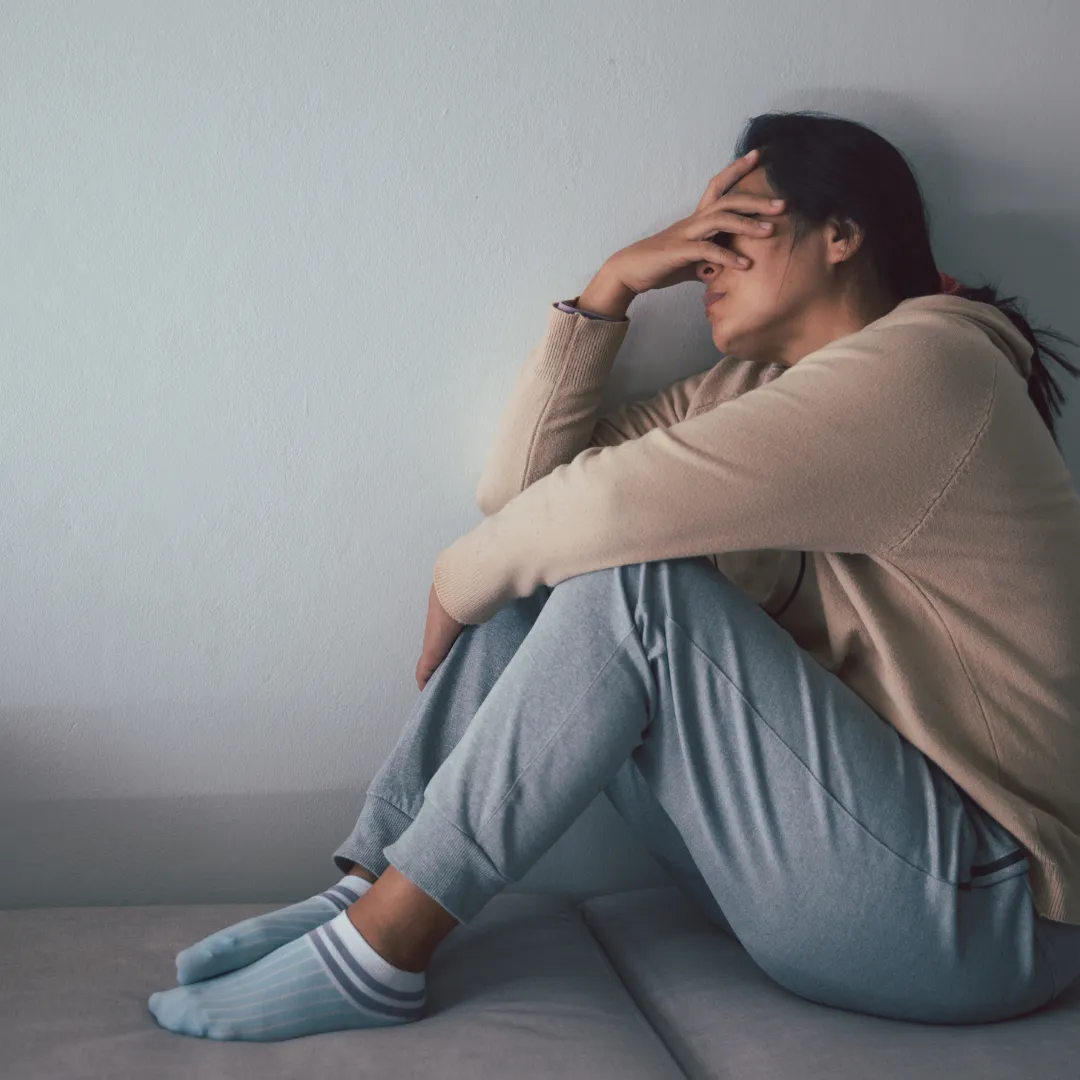
Millions of people around the world struggle with panic attacks, their lives impacted by the constant worry of when the next one will strike. In this guide, we'll explore proven strategies and techniques to help you overcome panic attack anxiety and find inner calm.
I understand the immense toll that panic attacks can take on your mental and physical well-being. That's why, alongside using Havening Techniques®, I'm committed to providing you with the most effective tools and resources to regain control of your life — whether you're seeking holistic approaches, professional support, or self-help techniques.
Throughout this guide, we'll delve into the science behind panic attacks, revealing their root causes and triggers. You'll learn how to recognise and manage the symptoms, empowering you with the knowledge to overcome them.
Understanding panic attacks and anxiety
Panic attacks are intense episodes of fear and anxiety that can be accompanied by physical symptoms such as rapid heartbeat, shortness of breath, and sweating. They can occur suddenly and without warning, leaving individuals feeling overwhelmed and out of control.
Panic attacks are often a manifestation of underlying anxiety. Anxiety is a natural response to stress, but when it becomes excessive and interferes with daily life, it can lead to panic attacks. It's important to recognise that panic attacks are not a sign of weakness or character flaw — they are a psychological and physiological response to stressors.
Symptoms of panic attack anxiety
Recognising the symptoms of panic attacks can help you better understand what you're experiencing and seek appropriate help.
Common symptoms include:
- A racing heart or palpitations
- Chest pain or discomfort
- Shortness of breath
- Dizziness or lightheadedness
- Trembling or shaking
- A sense of impending doom or fear of losing control

These physical symptoms are often accompanied by intense feelings of anxiety and fear. It's important to note that symptoms can vary from person to person — some individuals may experience a combination of physical and psychological symptoms, while others may only experience a few. Regardless, panic attacks can be incredibly distressing and disruptive to daily life.
Causes of panic attacks and anxiety
Panic attacks and anxiety can have various causes, and it's often a combination of factors that contribute to their development. Some common causes include genetic predisposition, brain chemistry imbalances, traumatic life events, chronic stress, and certain medical conditions.
Genetic factors play a role, as anxiety tends to run in families. Imbalances in brain chemistry — particularly involving neurotransmitters like serotonin and norepinephrine — can also contribute. Traumatic experiences, such as physical or emotional abuse, can trigger panic attacks later in life. Chronic stress and certain medical conditions, such as heart disease or thyroid disorders, can also increase the risk.

The impact of panic attacks on daily life
Panic attacks and anxiety can disrupt relationships, interfere with work or school performance, and limit social activities. The constant fear of having a panic attack can lead to avoidance behaviour — where individuals avoid situations or places associated with previous attacks — further isolating and limiting their lives.
The emotional toll cannot be underestimated. The fear and worry associated with these episodes can be overwhelming, leading to feelings of helplessness and hopelessness. It's crucial to recognise this impact and seek support to regain control.
Coping mechanisms for panic attacks
There are effective coping mechanisms that can help you manage panic attacks and anxiety. One approach is to practise relaxation techniques, such as deep breathing exercises, progressive muscle relaxation, or guided imagery. These techniques help activate the body's relaxation response and reduce the physical symptoms associated with panic attacks.
Mindfulness meditation is also helpful. Mindfulness involves focusing on the present moment without judgement — becoming more aware of your thoughts and feelings so you can observe them without becoming overwhelmed. Regular mindfulness practice can enhance your ability to stay calm during panic attacks and reduce anxiety overall.
Seeking professional help
While self-help techniques can be valuable, seeking professional help is often necessary for effectively managing panic attacks and anxiety. Mental health professionals, such as therapists or counsellors, can provide guidance, support, and evidence-based treatments.
Havening Techniques® is a particularly effective approach for panic attacks and anxiety. It incorporates distraction, touch, and eye movements to reduce the anxiety and distress associated with negative memories — targeting the root of the response rather than just managing symptoms.

Self-care practices for managing anxiety
Self-care is an essential aspect of managing panic attacks and anxiety. Here are some practices that can help you find inner calm:
- Establish a routine — structure and stability reduce feelings of uncertainty and anxiety.
- Practise relaxation techniques — deep breathing, progressive muscle relaxation, or guided imagery.
- Exercise regularly — physical activity releases endorphins, natural mood boosters that reduce anxiety.
- Get enough sleep — a consistent sleep schedule and good sleep hygiene are essential.
- Limit caffeine and alcohol — both can trigger or worsen anxiety symptoms.
- Do things you enjoy — hobbies and activities that bring joy can distract from anxious thoughts and restore a sense of fulfilment.
Natural remedies worth exploring
In addition to self-care practices, some natural remedies can complement your efforts. It's important to consult with a healthcare professional before trying any, especially if you're taking medication or have underlying medical conditions.
- Herbal supplements — chamomile, lavender, and passionflower have calming properties and may help reduce anxiety symptoms.
- Essential oils — aromatherapy using lavender, bergamot, or ylang-ylang can promote relaxation. Diffuse them or use in a diluted form for massages or baths.
- Dietary changes — reducing sugar and processed foods, and increasing omega-3 fatty acids, may help reduce anxiety for some people.

Lifestyle changes that make a lasting difference
Making certain lifestyle changes can significantly reduce the frequency and severity of panic attacks. Here are some to consider:
- Manage stress actively — regular exercise, mindfulness, and enjoyable activities all help reduce anxiety and prevent panic attacks.
- Limit known triggers — set boundaries, reduce exposure to stressful situations, or seek support to address underlying issues.
- Build a support network — surround yourself with people who can provide emotional support and encouragement during challenging times.
- Educate yourself — understanding the science behind panic attacks helps you develop strategies to manage them effectively.
Finding inner calm and living a fulfilling life
Panic attacks and anxiety can be overwhelming, but they don't have to control your life. By understanding their causes and symptoms, practising coping mechanisms, seeking professional help when needed, and incorporating self-care and lifestyle changes, you can find inner calm and live a fulfilling life.
Everyone's journey is unique, and it may take time to find the strategies that work best for you. Be patient and kind to yourself throughout this process.
I'm here to support you every step of the way. I believe in your ability to overcome panic attacks and anxiety. Together, let's start this journey towards finding inner calm and reclaiming your life. — Sue