

For many years scientists believed that the brain was largely fixed after childhood. The idea was that once the brain had developed, its patterns were set for life.
Modern neuroscience has shown that this is not true.
The brain has a remarkable ability to change, adapt, and reorganise itself throughout our lives. This ability is known as neuroplasticity, and it plays a central role in emotional healing and personal change.
Key takeaways
- The brain is always learning — every experience leaves a trace, and repeated patterns create increasingly strong neural pathways.
- Emotional memories are stored differently — they are linked to specific feelings and circumstances, which can keep them active long after the event has passed.
- Memory reconsolidation allows updating — when a memory is recalled, it briefly becomes flexible, giving the brain an opportunity to reduce the emotional charge attached to it.
- The body plays a role too — when the nervous system feels safe, the brain becomes more open to forming new, calmer patterns.
The Brain Is Always Learning
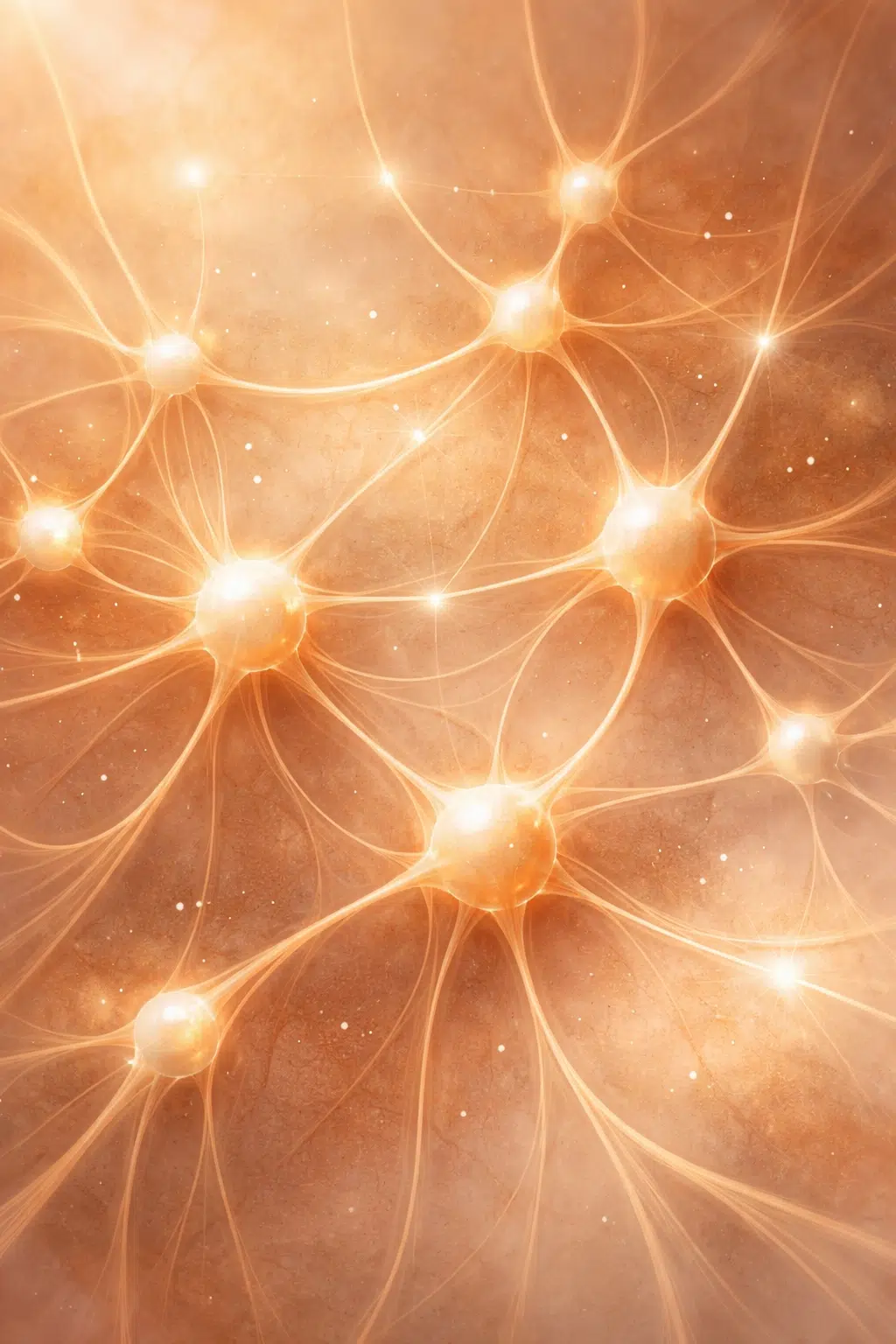
Every experience we have leaves a trace in the brain. When something happens, networks of neurons communicate with each other through electrical and chemical signals. If a particular experience or response happens repeatedly, the connections between those neurons become stronger.
"Neurons that fire together, wire together."
— a principle from neuroscience summarising how habits and emotional responses are learned
Over time, the brain becomes more efficient at producing certain thoughts, emotions, and behaviours because the pathways supporting them have become well established. This is how habits form — and how emotional responses are learned.
Emotional Memories Are Stored Differently
Emotional experiences are processed and stored slightly differently from ordinary memories. Structures such as the amygdala and hippocampus play important roles in recording emotional events. The amygdala helps detect threat and attach emotional significance to experiences, while the hippocampus helps store the contextual details of what happened.
When a strong emotional event occurs, the brain creates a powerful memory linking the feeling with the surrounding circumstances. This is helpful for survival — if the brain remembers a dangerous situation, it can help us avoid it in the future. However, sometimes these responses remain active long after the original situation has passed.
Memory Reconsolidation: Updating the Emotional Meaning

One of the most important discoveries in modern neuroscience is the process known as memory reconsolidation.
When a memory is recalled, it does not simply replay like a recording. Instead, it briefly becomes flexible again before being stored once more. During this window, the brain has the opportunity to update the emotional meaning attached to the memory.
If the brain experiences a sense of safety, calm, or new understanding while the memory is active, the emotional charge associated with that memory may reduce when it is stored again.
In other words, the brain can rewrite part of the emotional response. This is one of the reasons that some therapeutic approaches can lead to lasting emotional change.
Creating New Neural Pathways
When a person repeatedly experiences a calmer response to something that previously caused distress, the brain begins forming new neural connections. Over time, these new pathways can become stronger than the old ones.
Instead of automatically activating fear, anxiety, or stress, the brain may begin to respond in a more balanced way. This process does not mean the original memory disappears. Rather, the emotional intensity attached to it becomes reduced.
The brain has essentially learned a new interpretation of the experience.
The Role of the Nervous System
Emotional healing is not only a mental process. The body and nervous system are deeply involved.
When the nervous system feels safe, the brain becomes more flexible and open to updating old patterns. In contrast, when the body remains in a state of high stress, the brain tends to reinforce existing threat responses.
This is why many therapeutic approaches work not only with thoughts and memories, but also with the body's stress response. When the nervous system settles, the brain is better able to reorganise its emotional patterns.
Supporting the Brain's Natural Healing Processes
Several modern approaches are designed to work with the brain's natural mechanisms for updating emotional responses. Two examples are Havening Techniques® and Emotional Freedom Techniques (EFT).
Both approaches involve engaging the body's calming systems while bringing attention to the thoughts, memories, or emotional triggers that are causing distress. This combination can allow the brain to process the experience while simultaneously receiving signals of safety.
When this happens, the brain may update the emotional associations connected to the memory. The old trigger can lose its intensity, and the automatic stress response may reduce.

A Brain That Can Change
One of the most encouraging discoveries in neuroscience is that emotional patterns are not permanent. The brain is constantly adapting to new experiences. Even patterns that have been present for many years can shift when the brain is given opportunities to learn something new.
Emotional healing is not about forcing the brain to behave differently. Instead, it is about helping the brain update the patterns it has learned over time.
And when the brain learns something new, the changes can feel surprisingly natural.