

Stress is often thought of as something that happens only in the mind. In reality, stress is a whole-body response involving the brain, nervous system, hormones, and muscles.
When a stressful event occurs, the body prepares to deal with potential danger. The heart rate increases, breathing becomes faster, muscles tense, and attention narrows. These changes are part of the body's natural fight, flight, or freeze response, designed to help us react quickly to threats.
Normally, once the situation has passed, the body gradually returns to a calmer state. However, sometimes the nervous system does not fully switch off — leaving the body in a prolonged state of alert.
Key takeaways
- Stress lives in the body, not just the mind— the nervous system, hormones, and muscles are all directly involved in the stress response.
- The nervous system can get stuck— when stress is repeated or prolonged, the body may remain partly activated even when there is no immediate threat.
- Cortisol plays a central role— repeated stress can change how the body regulates this key stress hormone, raising the baseline level of alertness over time.
- The nervous system can reset— neuroplasticity means the brain can adapt and learn new, calmer responses when given the right conditions.
The Nervous System and Safety
The brain is constantly scanning the environment for signs of safety or danger. This process happens largely outside of conscious awareness.
If the brain has previously experienced stressful or frightening situations, it may become more sensitive to potential threats. As a result, the nervous system can remain on high alert even when there is no immediate danger.
People may experience symptoms such as muscle tension, difficulty relaxing, disrupted sleep, digestive issues, irritability, or a persistent feeling of being on edge.
These responses are not imagined. They are genuine physiological reactions taking place in the body.

The Role of Stress Hormones
One of the key chemicals involved in the stress response is cortisol, sometimes called the body's primary stress hormone. Cortisol is released through a system known as the HPA axis (hypothalamus–pituitary–adrenal axis), which helps regulate how the body responds to pressure or threat.
In short bursts, cortisol is extremely useful. It increases alertness, mobilises energy, and prepares the body to take action. Normally, once the stressful situation has passed, cortisol levels drop again and the body returns to a more relaxed state.
However, repeated stress can change how this system operates.
The Idea of a "Cortisol Set Point"
What is a cortisol set point?
If someone experiences frequent stress, trauma, or long periods of anxiety, the body can become accustomed to operating with higher levels of stress hormones. Over time, the nervous system begins to treat this heightened level of alertness as normal — as if the body's internal stress dial has been turned up. Instead of fully returning to calm after a stressful moment, the system resets at a slightly higher level of activation.
This means the person may react more quickly to everyday situations, even when there is no real danger present.
How life experiences can shape our relationship with food
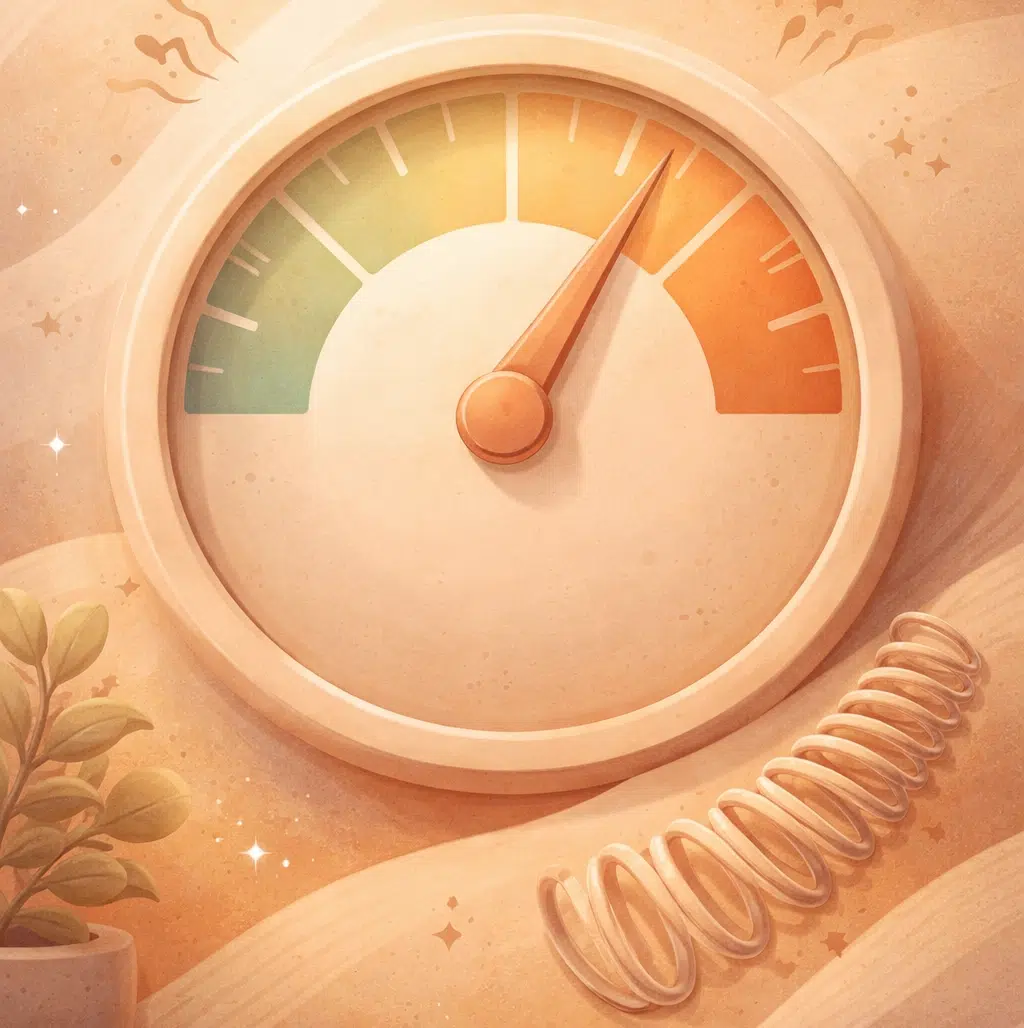
When the stress response is triggered repeatedly, the nervous system can become used to operating in a high-alert state. Over time, the brain may begin to interpret ordinary situations as potential threats. The result can be cycles of anxiety, tension, or emotional reactivity that seem difficult to switch off.
People sometimes describe feeling as if their body is "stuck" in stress mode.
This does not mean that anything is wrong with them. It simply means the body's protective systems have become overly sensitive.
Helping the Nervous System Reset
The encouraging news is that the nervous system is highly adaptable. The brain has a remarkable ability to change and reorganise itself through a process known as neuroplasticity.
When the brain repeatedly experiences signals of safety and calm, it can gradually begin to adjust its stress response again. Over time, this can allow the nervous system to settle and move closer to a healthier baseline.
Many therapeutic approaches focus on helping the brain and body experience this sense of safety while processing past stress patterns.
Two approaches that work with these mechanisms are Havening Techniques® and Emotional Freedom Techniques (EFT). Both methods involve gentle processes that engage the body's natural calming systems while attention is brought to the thoughts, memories, or patterns that are causing distress.
When the brain experiences safety alongside these triggers, it can begin to update the emotional response associated with them.
Many people spend years trapped in this cycle of hope, restriction, guilt, and starting again.
In simple terms, the brain learns that the situation is no longer dangerous. Over time, this can help the nervous system settle, reduce the intensity of stress reactions, and allow the body to move out of its chronic state of alert.